
Wildlife Watching in the Smoky Mountains: Best Animals, Best Places, and Top Tips
Updated for 2026 with refreshed wildlife facts, better viewing tips, and expanded location guidance.
Wildlife watching in the Smoky Mountains is one of the best reasons to slow down and actually pay attention on a Smokies trip. Great Smoky Mountains National Park is one of the most biodiverse ecosystems in North America, with more than 13,000 documented species and one of the densest black bear populations on the continent. It is also famous as the “Salamander Capital of the World.” That kind of biodiversity is what makes the Smokies special. One morning might bring deer in an open field, another might bring elk in a mountain valley, and another might reward you with birdsong, salamanders near a stream, or a black bear sighting that makes your whole day. This guide covers what animals to look for, where to go, when to watch, and how to do it safely.
Quick Guide to Wildlife Watching in the Smoky Mountains
If you want the fast version, here it is. The best animals to spot are black bears, elk, white-tailed deer, wild turkeys, birds, and salamanders. The best places to look are Cades Cove, Cataloochee Valley, and Roaring Fork Motor Nature Trail. Early morning and late evening usually give you the best odds because wildlife is most active then. Bring binoculars, stay patient, and give animals plenty of space. The National Park Service recommends staying at least 50 yards from bears and elk, and 25 yards from all other wildlife.
Why the Smokies Are So Good for Wildlife Watching
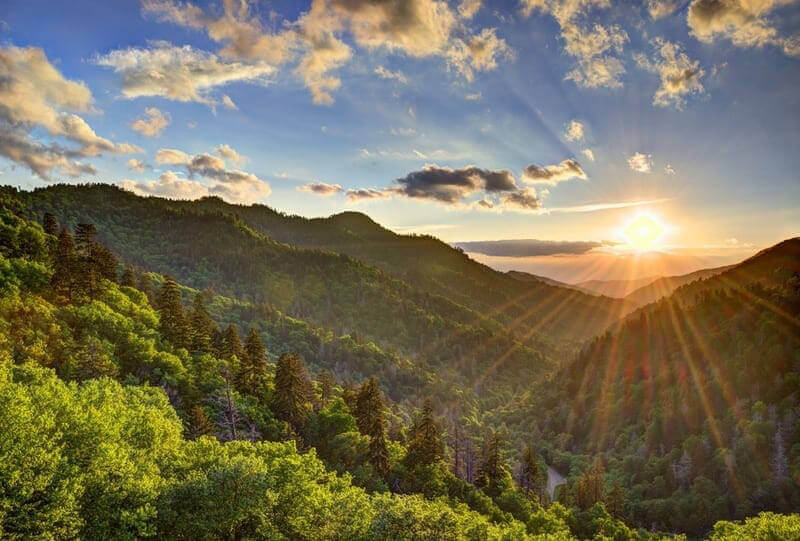
The Smokies are not just scenic. They are incredibly rich in plant and animal life, which is why wildlife watching here feels different from a lot of other mountain destinations. The park’s varied elevations, forests, streams, fields, and quiet valleys create a mix of habitats that support everything from black bears and elk to peregrine falcons and salamanders. The result is a place where even a short drive or roadside pull-off can turn into a real wildlife moment if you hit it at the right time.
Black Bears in the Smoky Mountains
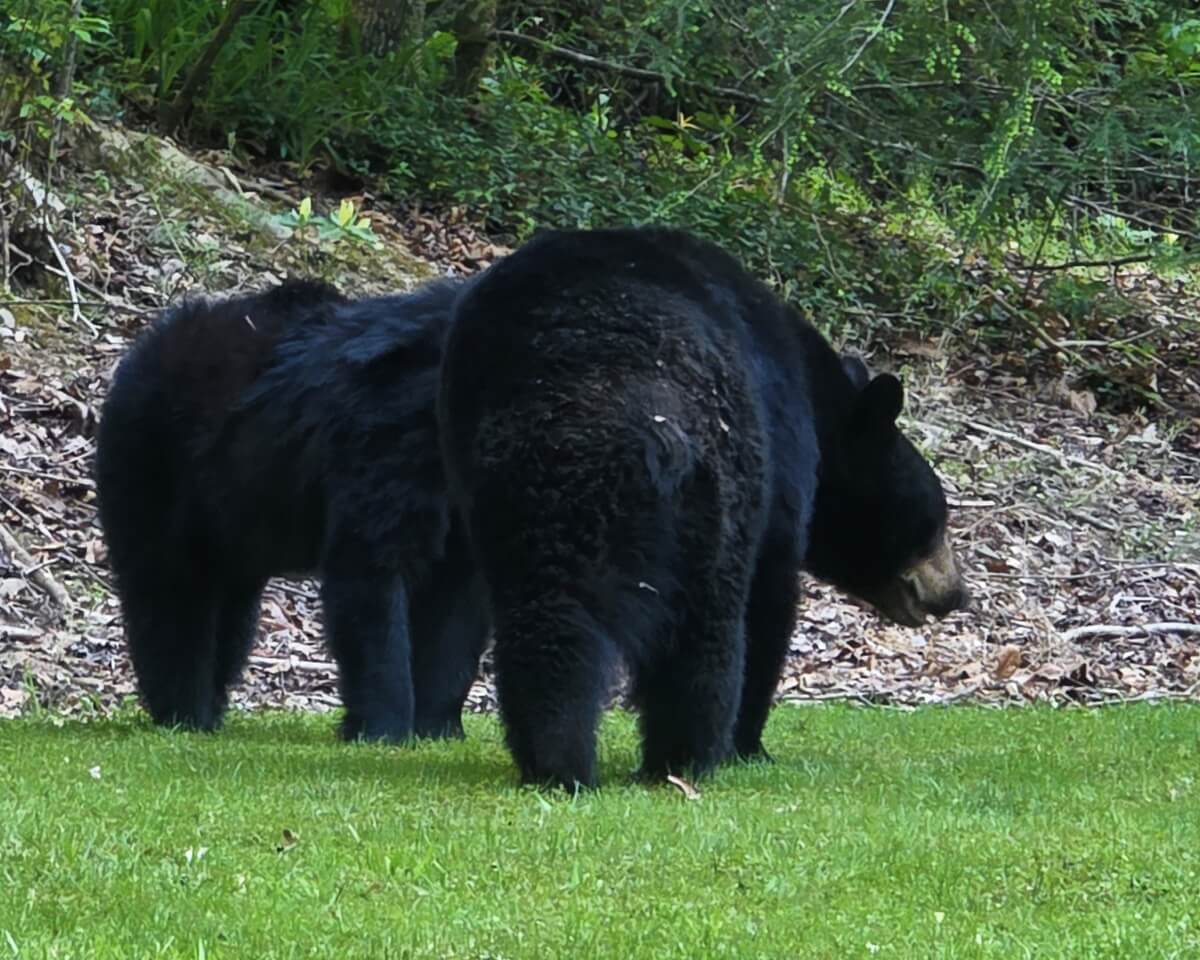
Black bears are the animal most people hope to see first, and yes, the Smokies are one of the best places in the country to spot them. The park is known for having one of the densest black bear populations in North America. Bears are most often seen in forest edges, open meadows, and roadside areas where they move between cover and food sources.
Where to see them: Cades Cove and Roaring Fork Motor Nature Trail are two of the best-known bear-viewing areas in the park.
Best time: Early morning and late evening are usually your best bet.
Elk and Where to See Them
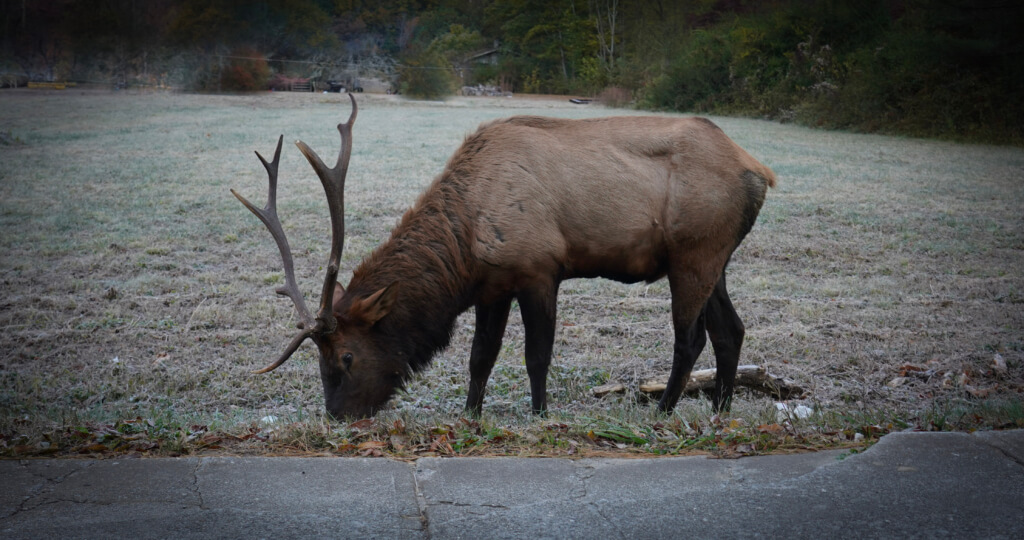
Elk are one of the Smokies’ best comeback stories. They were reintroduced to Great Smoky Mountains National Park beginning in 2001, and today they are one of the most exciting large-animal sightings in the region. During the fall rut, bull elk bugle across the valley, which is one of those sounds you do not forget once you hear it.
Where to see them: Cataloochee Valley is the headline location for elk watching in the Smokies. Heintooga Spur Road can also offer opportunities in that part of the park.
Best time: Early morning and late evening year-round, with fall being especially memorable because of rutting-season activity.
White-Tailed Deer Sightings
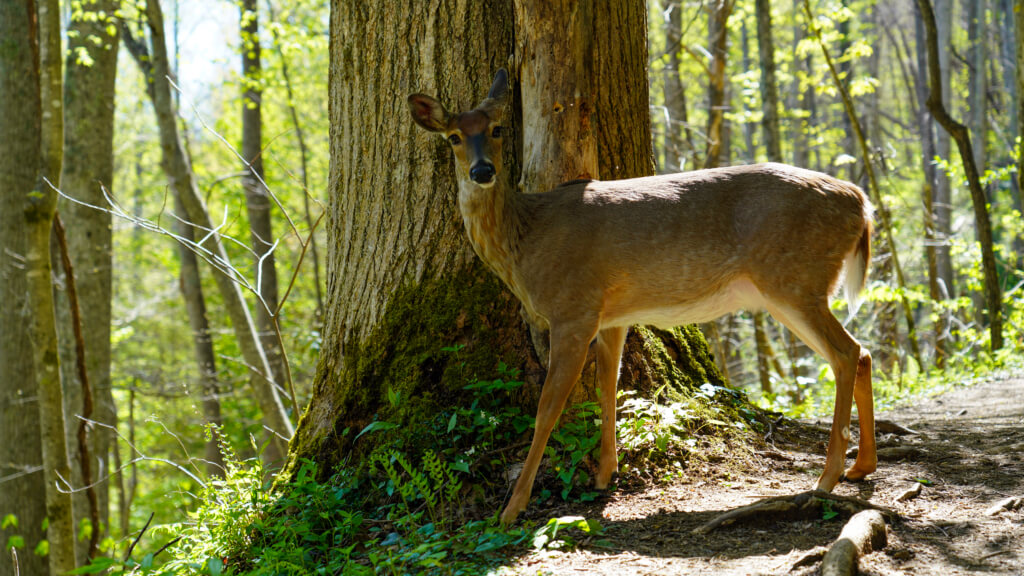
White-tailed deer are one of the most common wildlife sightings in the Smokies, but that does not make them any less worth watching. They are graceful, easy to spot in open areas, and often the first large animal visitors see in the park. Deer are especially photogenic in misty fields and around the edges of historic valleys, which is why they show up in so many classic Smokies mornings.
Where to see them: Cades Cove is one of the best areas for deer sightings, along with other open-field sections of the park.
Best time: Dawn and dusk, especially in cooler months.
Birds and Salamanders in the Smokies
The Smokies are not just about the big mammals. Birders have a lot to love here, and salamanders are one of the park’s most unique calling cards. Great Smoky Mountains National Park is nicknamed the Salamander Capital of the World, and the park has more salamander species than any other place on Earth. That is one of those facts that sounds made up until you realize how wet, shaded, and stream-rich the park really is.
Birdlife is diverse too, with more than 240 bird species documented in the park. High-elevation areas, forest edges, and valleys can all deliver different species depending on the season.
Where to see them: Birds can be found throughout the park, while salamanders are most often spotted near streams, wet forest floors, rocks, and shady trail sections.
Best time: Spring and fall are especially rewarding for bird activity, while salamanders are easiest to find in damp conditions. This timing is partly an inference from park habitat information and typical seasonal viewing patterns.
Best Places for Wildlife Watching in the Smoky Mountains
Cades Cove
Cades Cove is probably the most famous wildlife-viewing area in the park, and it earns the reputation. The 11-mile one-way loop gives you a solid chance to spot white-tailed deer, turkeys, birds, coyotes, woodchucks, black bears, and sometimes more if luck is on your side. It is one of the easiest places to combine scenery, history, and wildlife watching in one outing.
Cataloochee Valley
Cataloochee is quieter, more remote, and best known for elk. It is the place to go if elk are high on your list and you want a wildlife outing that feels a little less crowded than some of the Tennessee-side hotspots. The historic buildings and wide valley meadows make it especially scenic too.
Roaring Fork Motor Nature Trail
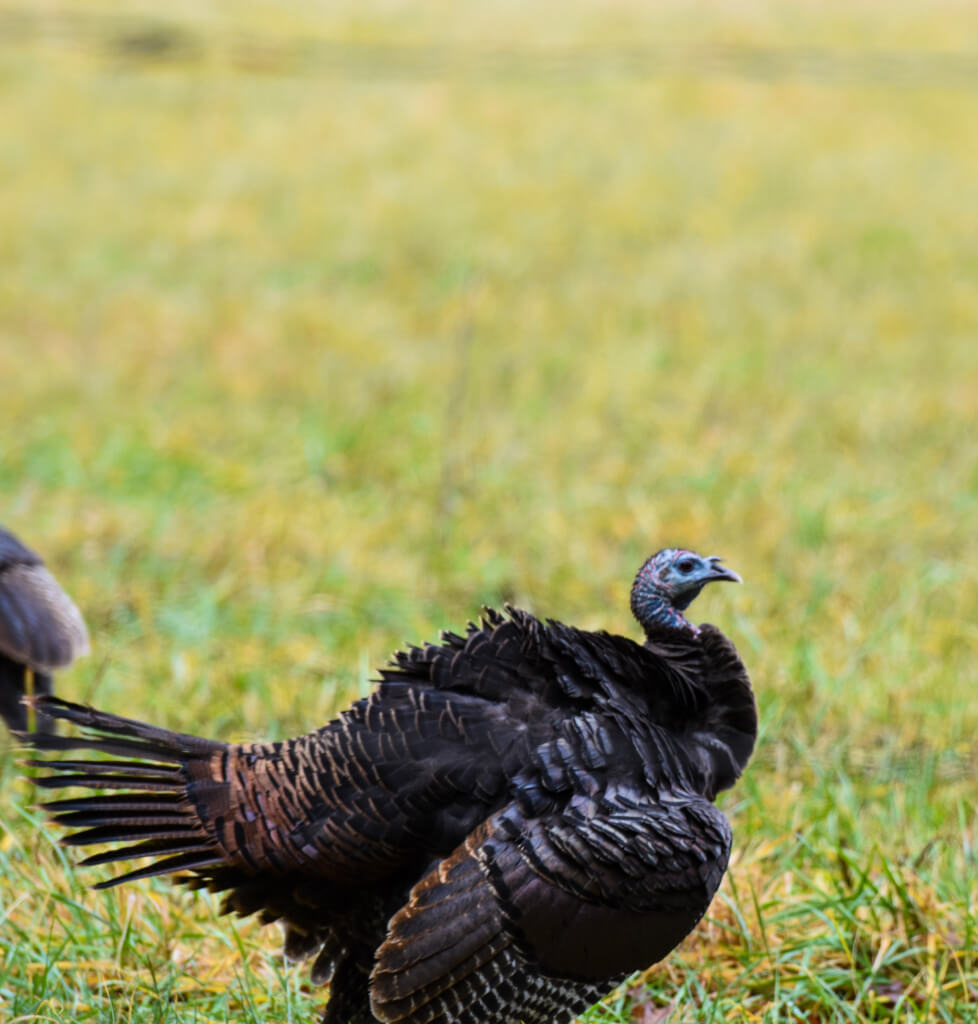
Roaring Fork is one of the best roads in the park for a more tucked-away wildlife experience. The one-way drive winds through dense forest and streamside scenery, and the National Park Service specifically notes it as a place where black bears, white-tailed deer, and turkeys are often seen. It is also a good place to slow down, crack the windows, and actually listen to the forest for a minute.
Best Times for Wildlife Viewing
Timing matters almost as much as location. In the Smokies, early morning and late evening are usually the best windows for wildlife watching because animals are more active then. The softer light also helps if you are hoping for decent photos instead of just a blurry “trust me, that was a bear” shot.
Season also changes the experience. Summer brings lots of animal activity, but thicker foliage can make wildlife harder to spot. Winter often means less leaf cover, which can make visibility better, even though some animals are less active. Fall is especially appealing because cooler weather, better visibility, and colorful scenery all work in your favor. Spring is great for bird activity, fresh green landscapes, and damp conditions that can make salamander hunting more rewarding. The seasonal visibility point is partly an inference from forest cover and park habitat conditions.
Wildlife Watching Tips
The best wildlife watchers are not the loudest ones. Stay quiet, be patient, and let the woods do their thing. Bring binoculars so you can watch from a safe distance, and scan fields, tree lines, stream edges, and rocky damp areas rather than just staring straight down the road. Animals are often nearby before you ever notice them.
A few practical rules matter here too:
- Stay at least 50 yards from bears and elk
- Stay at least 25 yards from other wildlife
- Never feed wildlife
- Stay in your vehicle if animals are close to the road and conditions feel unsafe
- Look near water, in trees, and along meadow edges for the best variety
Family-Friendly Wildlife Attractions Near the Smokies
If your crew likes animals but you want something more predictable than hoping a bear strolls by on cue, a few nearby attractions can round out the trip.
Parrot Mountain and Gardens
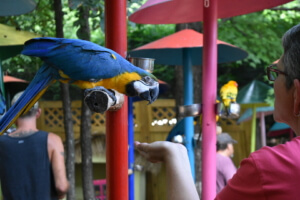
Located in Sevierville, Parrot Mountain and Gardens offers colorful tropical birds, garden paths, and interactive experiences that are especially fun for families.
Ripley’s Aquarium of the Smokies
In downtown Gatlinburg, Ripley’s Aquarium of the Smokies gives you sharks, penguins, rays, and underwater tunnels right in the middle of town.
RainForest Adventures Zoo
This Sevierville attraction features a variety of exotic animals and a more hands-on family feel.
These are not substitutes for wildlife watching in the national park, but they are easy add-ons if you want more animal-centered fun without relying on timing and luck.
FAQ: Wildlife Watching in the Smoky Mountains
Common wildlife sightings include black bears, elk, white-tailed deer, wild turkeys, birds, salamanders, and smaller mammals. The park is home to more than 13,000 documented species, so the variety is one of the biggest draws.
Early morning and late evening are usually the best times because animals are more active then. Seasonal conditions matter too. Fall and winter can improve visibility, while spring and summer often bring more overall wildlife activity.
Cades Cove and Roaring Fork Motor Nature Trail are two of the most commonly recommended bear-viewing areas in the park. Bear sightings are never guaranteed, but those spots regularly top the list for visitors hoping to see one.
Yes, if you keep your distance and follow park guidelines. The most important rule is to never approach or feed animals. Stay at least 50 yards from elk and bears, and 25 yards from all other wildlife.
The park has more salamander species than any other place on Earth, which is why the nickname stuck. The damp, shaded environment of the Smokies is ideal for them.
Plan Your Wildlife Watching Trip in the Smokies
Wildlife watching in the Smoky Mountains is one of those activities that rewards people who slow down a little. You do not need a huge itinerary. You just need the right place, the right time of day, and enough patience to notice what the woods are doing around you. One trip might give you elk in a misty valley, another might give you deer in a field, and another might just hand you birdsong, moving water, and a reason to stay out a little longer. That is part of the fun.
Content on this page is subject to change. Please contact the locations mentioned to see if promotions, hours, pricing, etc. are still valid.

About Nicole Miller
Nicole Miller is a native Tennessean who currently resides in Asheville, North Carolina. Through her work with MobileBrochure, she covers destinations across the Southeast, including the Smoky Mountains and the Grand Strand, helping travelers discover things to do, places to eat and useful tips for planning their trips. Outside of work, she enjoys traveling, spending time outdoors, live music and anything that keeps her moving.
Leave a Reply