Your Guide to Hiking in Myrtle Beach: Trails & Tips
Originally published October 30, 2024. Updated July 2026.
This guide covers the best places for hiking in Myrtle Beach and nearby areas along the Grand Strand. Expect mostly easy nature trails, boardwalks, and state park walks, plus a few longer and wilder options within driving distance.
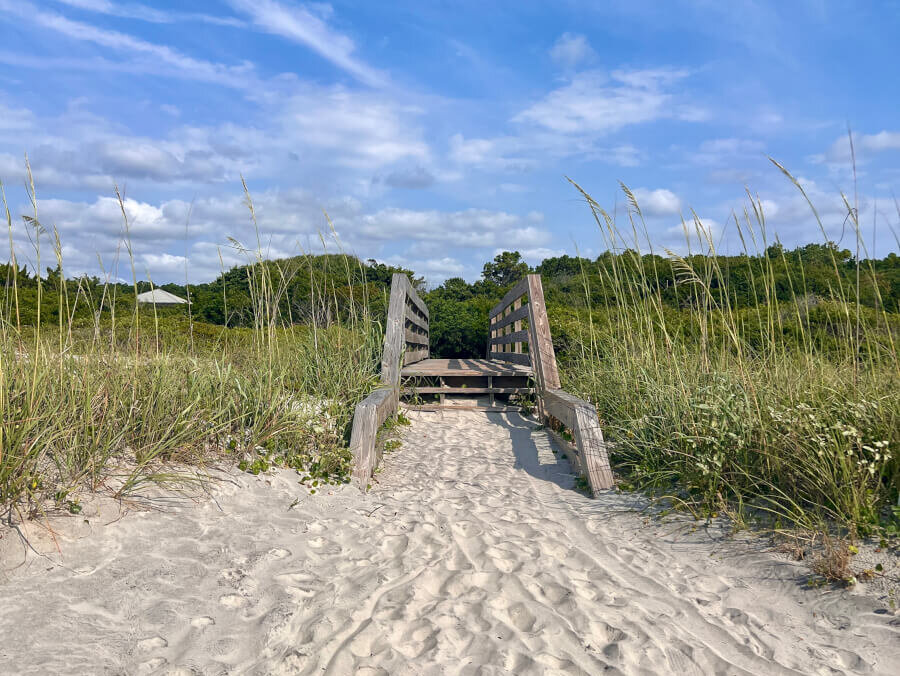
You do not need trekking poles or mountain-climbing experience here. Coastal hiking usually means maritime forests, salt marshes, sandy paths, wildlife overlooks, and trails that lead pleasantly close to the beach.
The strongest options stretch from Myrtle Beach and North Myrtle Beach to Murrells Inlet and Little River. Whether you want a shaded half-mile walk, a family-friendly boardwalk, or a longer outing through wetlands and cypress forest, this guide will help you find the right trail.
Myrtle Beach Hiking Quick Picks
| Best For | Top Pick |
| Best trail in Myrtle Beach proper | Sculptured Oak Trail |
| Best longer coastal trail | Sandpiper Pond Nature Trail |
| Best short wildlife walk | Kerrigan Nature Trail |
| Best North Myrtle Beach nature trail | Ingram Dunes Nature Preserve |
| Best marsh boardwalk | Heritage Shores Nature Preserve |
| Best walk with restaurants nearby | Murrells Inlet MarshWalk |
| Best quiet nature escape | Vereen Memorial Historical Gardens |
| Best wilder day trip | Waccamaw National Wildlife Refuge |
Before You Go: Local Tips for Grand Strand Hiking
Coastal trails may look gentle, but summer heat, humidity, insects, and exposed boardwalks can turn a short walk into more of an adventure than expected. A little preparation keeps the day comfortable.
Choose the Right Season and Time
Each season brings a different experience to Grand Strand hiking:
- Spring: Mild temperatures, active wildlife, and blooming coastal plants make this one of the best seasons for hiking.
- Summer: Start early in the morning, carry extra water, and choose shaded trails whenever possible.
- Fall: Lower humidity and comfortable temperatures make longer walks more appealing.
- Winter: Sunny days can feel crisp and pleasant, although coastal breezes may call for a light jacket.
During warmer months, early morning is usually the most comfortable time to walk. Late afternoon can be beautiful, especially around the marsh, but bugs may become more active near sunset.
Prepare for Heat and Sun
Do not underestimate the South Carolina sun just because the trail is short. Boardwalks, marsh overlooks, beach access points, and sandy paths may offer little shade.
Bring water, wear sunscreen, and add a hat or sunglasses on bright days. If you start feeling overheated, take a break rather than trying to prove something to a half-mile trail.
Expect Bugs and Damp Conditions
Mosquitoes and other insects are common around marshes, ponds, and wetlands, especially after rain. Bug repellent and lightweight long sleeves can make the walk much more enjoyable.
Natural trails may also include muddy, sandy, or damp sections. Conditions can change quickly after storms or high water.
Wear Practical Shoes
You do not need heavy hiking boots for most easy hikes in Myrtle Beach, but supportive walking shoes with decent grip are helpful. Sandals may work for paved promenades, although they are less practical on roots, loose sand, or muddy paths.
Check Fees and Advisories
Myrtle Beach State Park and Huntington Beach State Park charge admission. Hours, trail access, boardwalk closures, pet rules, and entrance fees can change, so check current park information before leaving your hotel or vacation rental.
Best Places for Hiking in Myrtle Beach, SC
Myrtle Beach proper does not have dozens of traditional hiking routes, but Myrtle Beach State Park offers a surprisingly peaceful escape from the hotels, restaurants, and attractions nearby.
Sculptured Oak Trail at Myrtle Beach State Park
Location: Myrtle Beach State Park, near the Nature Center and beach access
Distance: Approximately 0.5 miles
Difficulty: Easy
Surface/Terrain: Natural path with packed soil, roots, leaves, and sandy sections
Highlights: Live oaks, wax myrtles, magnolias, coastal woodland, birds, reptiles, and amphibians
Good for: Families, first-time hikers, birdwatchers, and quick nature breaks
The Sculptured Oak Trail offers one of the easiest introductions to Myrtle Beach State Park trails. It passes through a maritime forest that offers a glimpse of what much of the Grand Strand looked like before oceanfront development arrived.
The trail is short enough to pair with the park’s pier, beach, Nature Center, or a picnic. It is also shaded in places, a welcome detail when the summer sun is doing what the summer sun does best.
Yaupon Trail at Myrtle Beach State Park
Location: Myrtle Beach State Park, near the Nature Center
Distance: Approximately 0.4 miles
Difficulty: Easy
Surface/Terrain: Natural woodland path with roots, leaves, and sandy areas
Highlights: Maritime forest, native plants, bird habitat, and beach connections
Good for: Families, short walks, nature study, and combining with the Sculptured Oak Trail
The Yaupon Trail gives visitors another short walk through the park’s coastal woodland. Interpretive markers identify some of the plants and trees growing along the route, so the trail adds a little learning without turning your vacation into a pop quiz.
Combine the Yaupon and Sculptured Oak trails for a longer nature walk, then follow the park’s boardwalks toward the beach.
Best State Park Trails Near Myrtle Beach
Huntington Beach State Park in Murrells Inlet offers some of the best hiking trails in Myrtle Beach and the surrounding area for wildlife viewing, maritime forest scenery, and coastal landscapes.
Sandpiper Pond Nature Trail
Location: Huntington Beach State Park, accessed near the north beach parking area
Distance: Approximately 2 miles round trip
Difficulty: Easy
Surface/Terrain: Natural path through maritime forest with sandy areas and observation access
Highlights: Oaks, pines, cedars, ancient dunes, shorebirds, waterfowl, and wildlife overlooks
Good for: Birdwatchers, nature photographers, families with older children, and longer easy walks
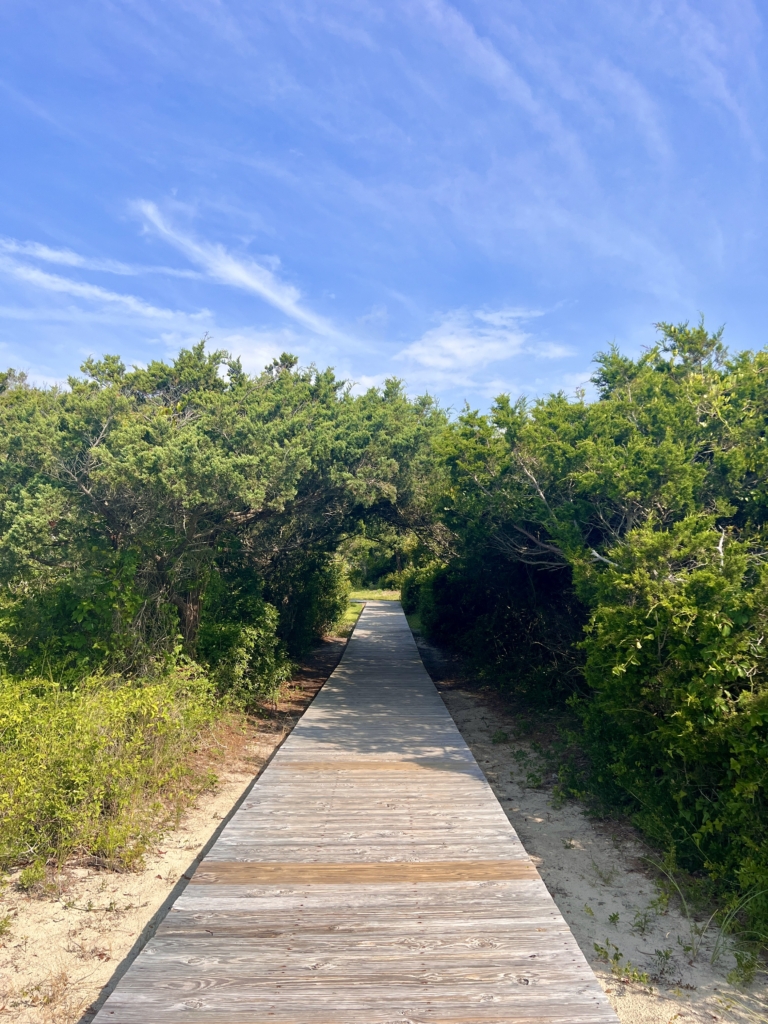
Sandpiper Pond Nature Trail is an easy out-and-back route through maritime forest and old coastal dunes. The setting feels quieter and more secluded than many of the shorter boardwalk stops around the park.
The Maxwell Observation Deck provides opportunities to watch wading birds, migrating shorebirds, winter ducks, and other wildlife. Alligators may also appear around freshwater areas, so admire them from a respectful distance and leave the close-up photography to your camera’s zoom.
Because this route is longer than the park’s interpretive trails, bring water and allow time for wildlife stops. Birdwatchers rarely move at the pace suggested by the mileage, and honestly, good for them.
Kerrigan Nature Trail
Location: Huntington Beach State Park, behind the gift shop and ranger station
Distance: Approximately 0.25 miles one way
Difficulty: Easy, although the path may present challenges for wheelchairs and some mobility devices
Surface/Terrain: Natural path transitioning to decking near the observation area
Highlights: Mullet Pond, freshwater wetlands, birds, alligators, and observation seating
Good for: Families, quick wildlife walks, photographers, and visitors with limited time
Kerrigan Nature Trail delivers a quick scenic payoff without requiring a long hike. The route leads toward an observation area overlooking Mullet Pond, one of the park’s best wildlife-viewing locations.
This is an easy trail to add before visiting Atalaya Castle, walking the beach, or exploring another section of Huntington Beach State Park. Bring binoculars if you have them. If not, there will probably be someone nearby with a pair and a detailed opinion about every bird in sight.
North Myrtle Beach Hiking Trails
North Myrtle Beach offers several short nature trails and preserves that trade big mileage for marsh views, coastal history, and a quieter atmosphere.
Ingram Dunes Nature Preserve
Location: North Myrtle Beach, near Hillside Drive and a few blocks from the ocean
Distance: Approximately 0.5 miles
Difficulty: Easy
Surface/Terrain: Natural interpretive trail through maritime forest and historic dunes
Highlights: Native dunes, mature trees, interpretive signs, and coastal ecology
Good for: Families, nature lovers, short walks, and anyone interested in local conservation
Ingram Dunes protects one of the last remaining maritime forest areas in North Myrtle Beach. Its native dunes rise as high as approximately 30 feet, creating a landscape that feels surprisingly removed from the nearby streets and beach development.
The interpretive trail explains the preserve’s plants, dunes, and ecological importance. It is short, peaceful, and easy to fit between breakfast and a beach afternoon.
Heritage Shores Nature Preserve
Location: Cherry Grove, on an island extending into Cherry Grove Marsh
Distance: Short connected paths across a seven-acre preserve
Difficulty: Easy
Surface/Terrain: Elevated boardwalks, observation docks, and walking paths
Highlights: Salt marsh scenery, wildlife, interpretive signs, fishing views, and observation areas
Good for: Families, birdwatchers, photographers, and relaxed walks
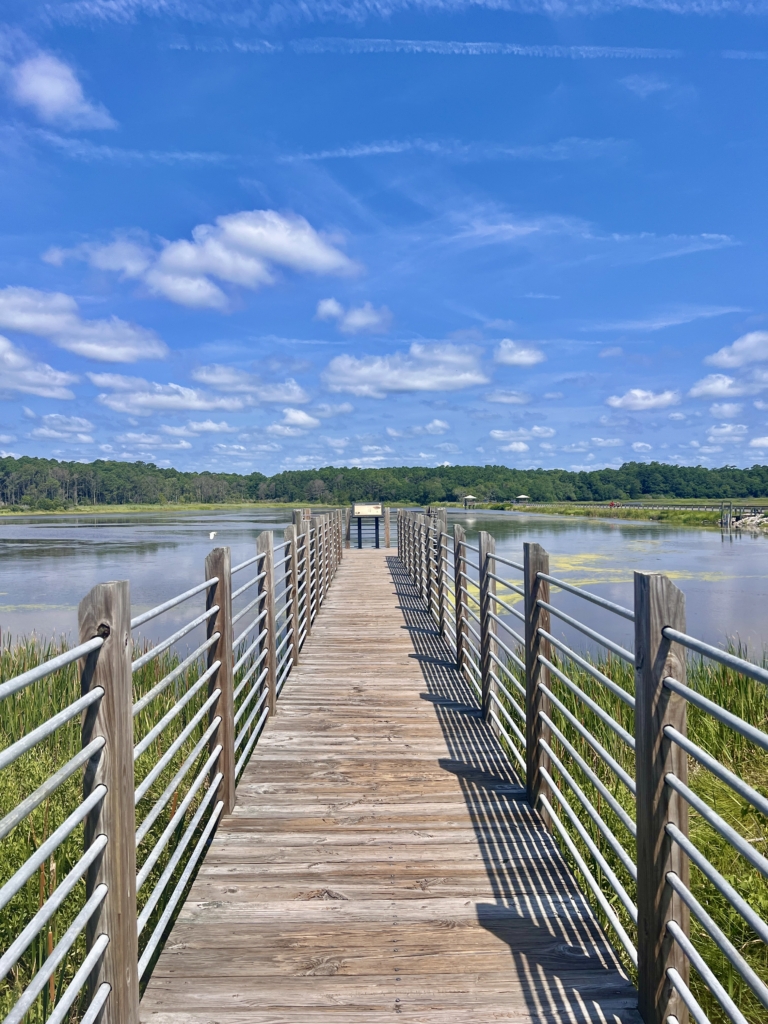
Heritage Shores Nature Preserve offers one of the prettiest boardwalk experiences in North Myrtle Beach. Elevated walkways cross the marsh and lead to observation areas overlooking tidal creeks and native habitat.
Interpretive signs describe the plants, fish, birds, and other wildlife found in the preserve. This is not a strenuous hike, but it is an excellent place to slow down and watch the marsh change with the tide.
Russell Burgess Coastal Preserve
Location: Cherry Grove, near the northern end of North Ocean Boulevard
Distance: Short boardwalk and overlook visit
Difficulty: Easy
Surface/Terrain: Boardwalk and paved access
Highlights: Cherry Grove Marsh, Hog Inlet scenery, fishing activity, and coastal views
Good for: Quick walks, sunsets, photography, and pairing with Cherry Grove Beach
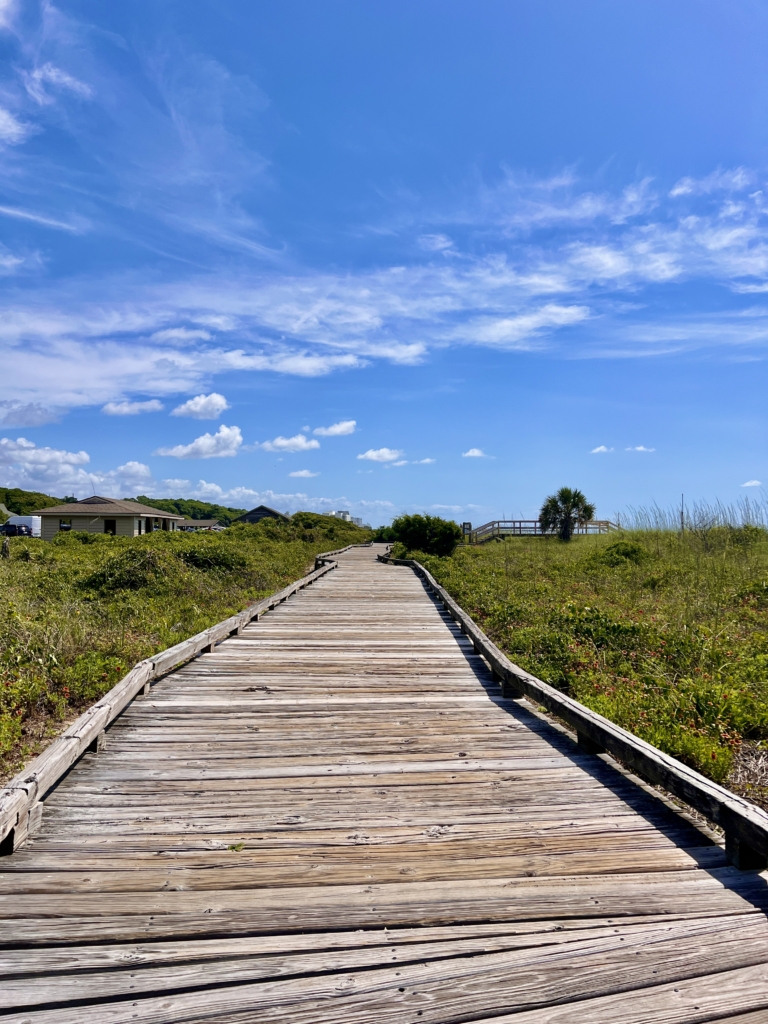
Russell Burgess Coastal Preserve provides a short boardwalk leading toward scenic views of Cherry Grove Marsh and Hog Inlet. It works better as a peaceful nature stop than a traditional hike, but the setting earns it a spot in a North Myrtle Beach outdoor itinerary.
Visit around sunrise or sunset for softer light and a more dramatic view across the marsh.
Vereen Memorial Historical Gardens
Location: Little River, near the North Carolina border and Intracoastal Waterway
Distance: Multiple connected trails and boardwalks with flexible routes
Difficulty: Easy
Surface/Terrain: Wooded paths, boardwalks, and marsh-side trails
Highlights: Salt marshes, wooded scenery, historic features, wildlife, and water views
Good for: Families, history lovers, birdwatchers, and longer relaxed walks
Vereen Memorial Historical Gardens blends coastal nature with local history. Trails wind through wooded areas before reaching boardwalks and overlooks near the marsh and waterway.
The connected paths let you make the outing as short or as leisurely as you please. It is a strong choice when you want more room to wander than the smaller North Myrtle Beach preserves provide.
Murrells Inlet Hiking Trails and Nature Walks
For marsh scenery, wildlife, and waterfront dining, Murrells Inlet is an excellent base for hiking near Myrtle Beach.
Murrells Inlet MarshWalk
Location: Murrells Inlet waterfront, behind the restaurants along the main dining district
Distance: Approximately 0.5 miles one way
Difficulty: Easy
Surface/Terrain: Wooden boardwalk
Highlights: Saltwater estuary, boats, restaurants, live music, and sunset views
Good for: Families, casual walkers, couples, accessible outings, and after-dinner strolls
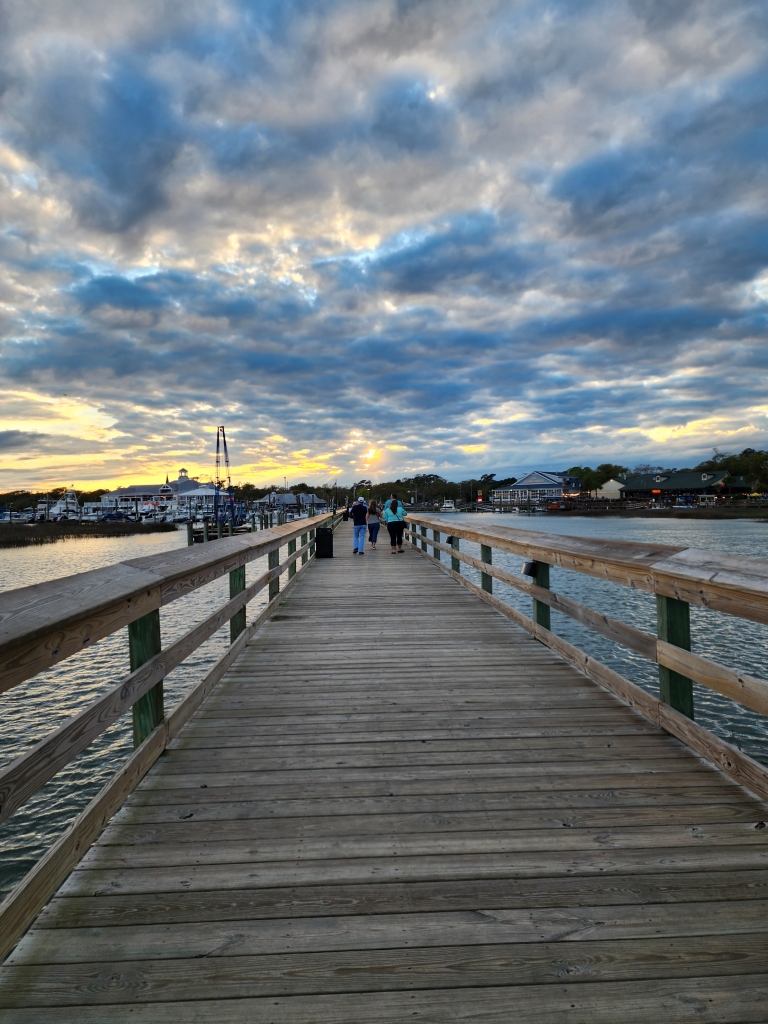
The Murrells Inlet MarshWalk is not a backwoods hiking trail, and that is part of its charm. The half-mile boardwalk follows a natural saltwater estuary behind some of the area’s best-known waterfront restaurants.
Walk it before dinner for marsh views and boat activity, or visit around sunset when the water catches the evening light. The area becomes livelier at night, especially when live music is on the schedule.
Huntington Beach State Park Causeway and Overlooks
Location: Huntington Beach State Park entrance causeway
Distance: Flexible, based on the overlooks and walking areas visited
Difficulty: Easy
Surface/Terrain: Sidewalk, paved areas, and wildlife observation stops
Highlights: Tidal salt marsh, freshwater impoundments, shorebirds, waterfowl, and alligators
Good for: Birdwatchers, photographers, families, and visitors who prefer short walks
The causeway through Huntington Beach State Park is one of the Grand Strand’s best wildlife-viewing areas. Salt marsh lies on one side, while managed freshwater wetlands sit on the other.
Park in designated areas and explore the available overlooks rather than stopping along the road. Wildlife activity varies with tides, weather, migration, and pure animal stubbornness, so every visit feels a little different.
Longer Options for Hiking Near Myrtle Beach
Travel farther inland when you want a more natural trail system and fewer reminders that an oceanfront resort is only a short drive away.
Waccamaw National Wildlife Refuge
Location: Inland from Myrtle Beach, with hiking access at Cox Ferry Lake Recreation Area near Conway
Distance: Varies by trail and access point
Difficulty: Easy to moderate, depending on conditions and route
Surface/Terrain: Natural forest trails, boardwalks, wetland paths, and potentially muddy areas
Highlights: Cypress trees, blackwater wetlands, birds, wildlife, and river ecosystems
Good for: Nature photographers, birdwatchers, experienced walkers, and visitors seeking solitude
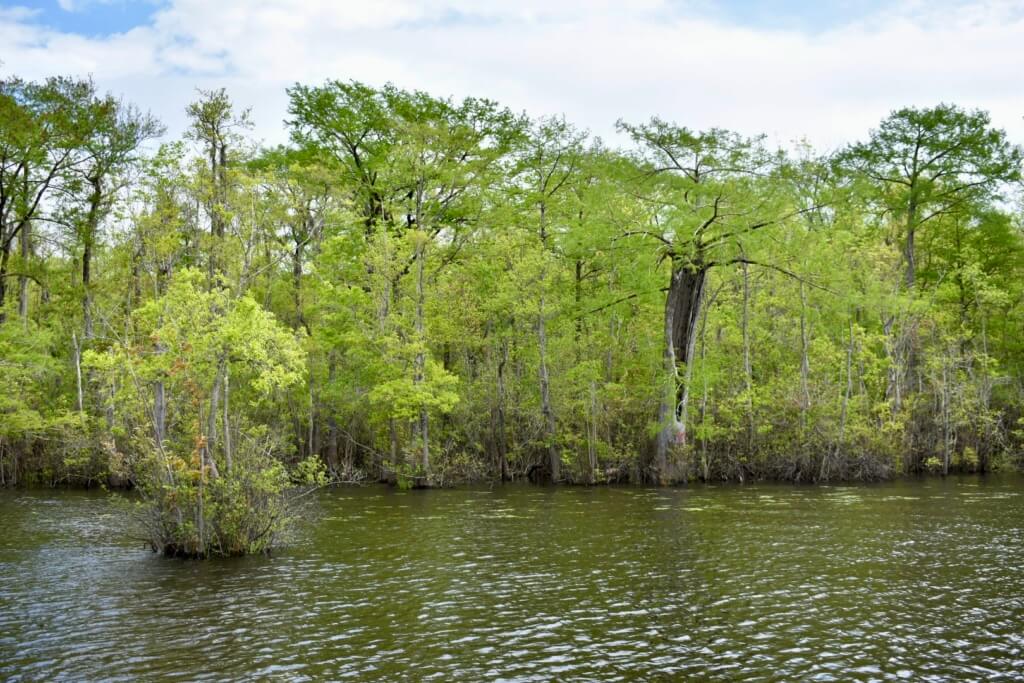
Waccamaw National Wildlife Refuge protects a large network of coastal river and wetland habitat. Cox Ferry Lake Recreation Area provides access to interpretive nature trails, a swamp boardwalk, wildlife observation, and picnic areas.
Conditions may feel more rugged than the state park trails closer to the beach. Bring water, sturdy shoes, insect repellent, and current directions. Check refuge hours and access information before driving out, since visitor services and trail conditions can change.
Which Myrtle Beach Trail Is Right for You?
| Traveler Type | Best Trail or Preserve |
| Family with young children | Sculptured Oak Trail |
| First-time coastal hiker | Myrtle Beach State Park trails |
| Birdwatcher | Sandpiper Pond Nature Trail |
| Visitor with limited time | Kerrigan Nature Trail |
| North Myrtle Beach vacationer | Ingram Dunes or Heritage Shores |
| Couple looking for sunset views | Murrells Inlet MarshWalk |
| History and nature fan | Vereen Memorial Historical Gardens |
| Photographer | Huntington Beach State Park |
| Visitor seeking a wilder experience | Waccamaw National Wildlife Refuge |
| Traveler who wants restaurants nearby | Murrells Inlet MarshWalk |
Tips for Hiking in Myrtle Beach Weather
Coastal weather can change quickly, especially during summer. Keep an eye on the forecast, but also pay attention to conditions once you arrive.
Pack for the Trail
Bring:
- plenty of water
- sunscreen, sunglasses, and a hat
- insect repellent
- supportive shoes with grip
- a light rain layer when storms are possible
- snacks for longer outings
- binoculars for marsh and wildlife trails
- a fully charged phone
Protect Coastal Habitats
Dunes, marsh plants, freshwater wetlands, and maritime forests are sensitive environments. Staying on designated paths protects both the habitat and your ankles.
Follow a few simple rules:
- Pack out all trash, including food scraps.
- Never feed wildlife.
- Keep a safe distance from alligators and nesting birds.
- Follow posted pet and leash rules.
- Avoid climbing on dunes or entering protected areas.
- Keep voices lower around observation decks and wildlife habitats.
Frequently Asked Questions
Yes. Myrtle Beach State Park has short nature trails through maritime forest, while nearby Huntington Beach State Park offers longer routes and excellent wildlife viewing. North Myrtle Beach, Little River, and Murrells Inlet also have boardwalks, preserves, and easy coastal paths.
The Sculptured Oak and Yaupon trails are the best choices within Myrtle Beach proper. Sandpiper Pond Nature Trail at Huntington Beach State Park is one of the strongest nearby options for a longer coastal walk, while Heritage Shores and Ingram Dunes are excellent choices in North Myrtle Beach.
Most nature trails in Myrtle Beach, SC, are easy and relatively flat. The main challenges come from heat, humidity, sun exposure, insects, sand, roots, and occasional muddy conditions rather than steep climbs or major elevation changes.
Myrtle Beach State Park, Kerrigan Nature Trail, Ingram Dunes Nature Preserve, Heritage Shores Nature Preserve, and Vereen Memorial Historical Gardens all offer family-friendly walks. Choose a trail based on distance, shade, stroller needs, and how long your group wants to be outside.
Yes. Popular North Myrtle Beach hiking trails and nature walks include Ingram Dunes Nature Preserve, Heritage Shores Nature Preserve, and Russell Burgess Coastal Preserve. Vereen Memorial Historical Gardens in nearby Little River offers additional wooded trails and marsh boardwalks.
Fall, winter, and spring usually offer the most comfortable hiking weather. Summer hiking can still be enjoyable, but early morning is best because afternoon heat and humidity can become intense.
Myrtle Beach State Park and Huntington Beach State Park charge entrance fees. City preserves, county parks, and the Murrells Inlet MarshWalk are generally accessible without state park admission, although hours, rules, and parking arrangements vary.
Yes. Depending on the location and season, visitors may see shorebirds, wading birds, turtles, deer, reptiles, and alligators. Huntington Beach State Park and Waccamaw National Wildlife Refuge offer particularly strong wildlife-viewing opportunities.
Take Your Myrtle Beach Experience Beyond the Shoreline
Hiking in Myrtle Beach reveals a quieter side of the Grand Strand, from shaded maritime forests to boardwalks overlooking salt marshes and freshwater ponds. Most trails are short and approachable, so you can enjoy a morning nature walk without giving up your afternoon on the beach.
Start with Myrtle Beach State Park for a convenient forest trail, head to Huntington Beach State Park for wildlife and a longer walk, or explore the preserves around North Myrtle Beach when you want fewer crowds. MobileBrochure can help you browse nearby attractions, restaurants, lodging, brochures, and itinerary ideas as you plan the rest of your Grand Strand getaway.
Content on this page is subject to change. Please contact the locations mentioned to see if promotions, hours, pricing, etc. are still valid.

About Nicole Miller
Nicole Miller is a native Tennessean who currently resides in Asheville, North Carolina. Through her work with MobileBrochure, she covers destinations across the Southeast, including the Smoky Mountains and the Grand Strand, helping travelers discover things to do, places to eat and useful tips for planning their trips. Outside of work, she enjoys traveling, spending time outdoors, live music and anything that keeps her moving.
Leave a Reply
You must be logged in to post a comment.