




Gullah Culture in the Lowcountry: Discovering the Living Legacy of the South Carolina Coast
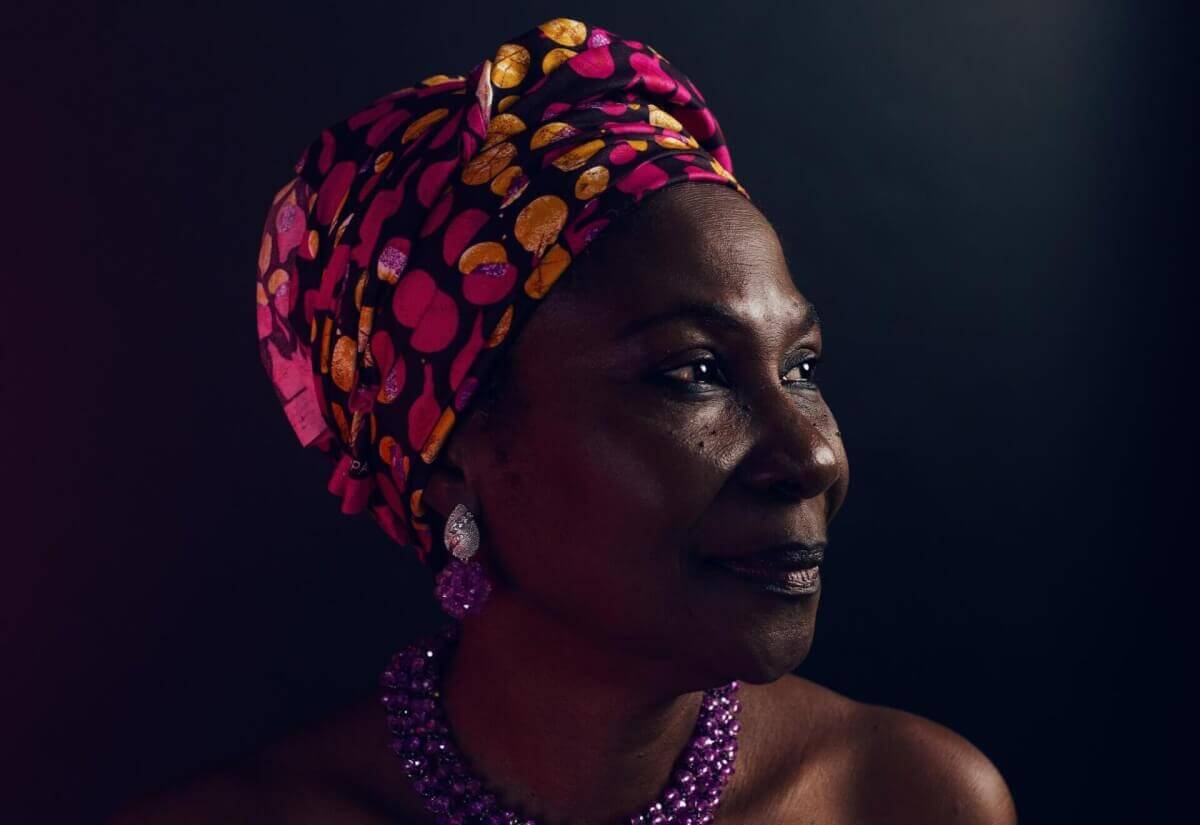
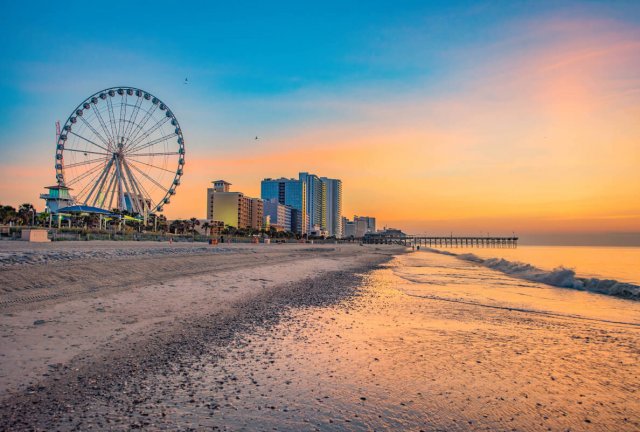
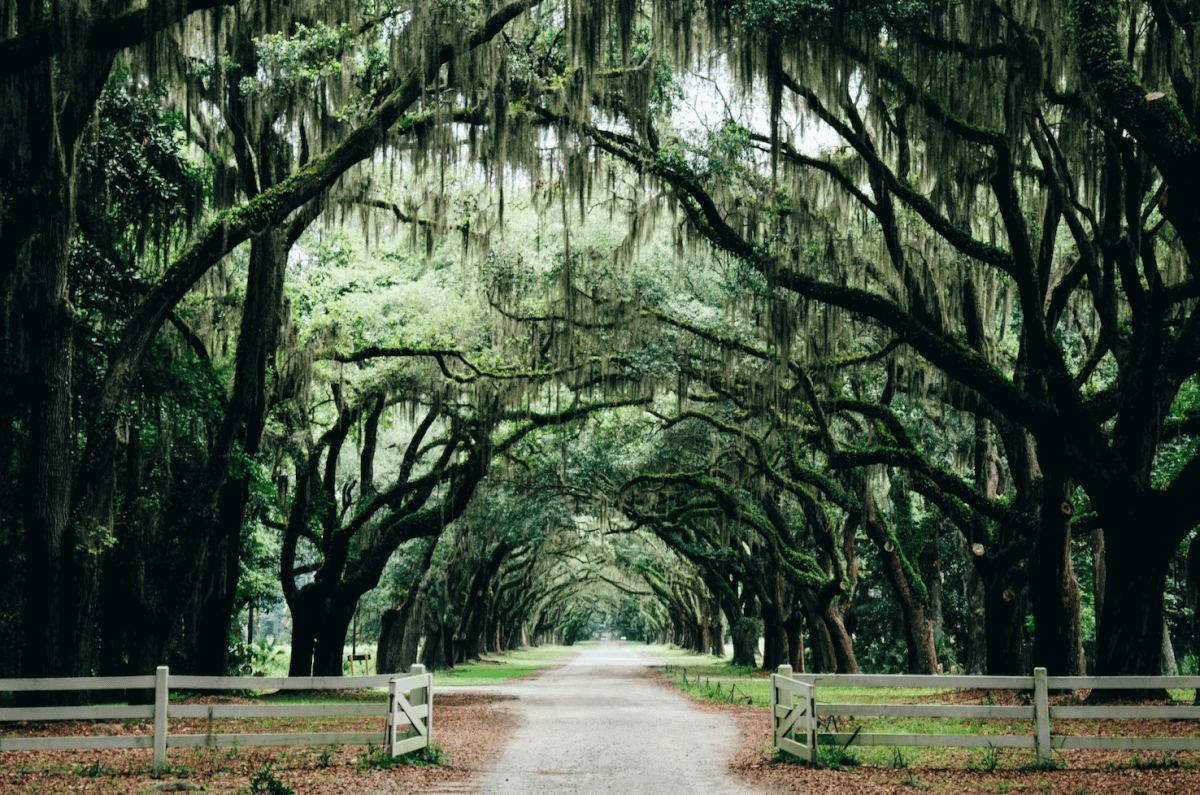
Stretching along South Carolina’s coast from Georgetown and Myrtle Beach to Charleston, Beaufort, Hilton Head, and St. Helena Island, the Lowcountry is a place where time slows and stories linger in the salty air. Beneath the sway of moss-covered oaks and the shimmer of tidal creeks lives the spirit of the Gullah Geechee people, whose roots reach back to West Africa.
Their culture is at the heart of the Lowcountry’s identity. It tells a story of strength, faith, and creativity. Visitors can follow the same paths, savor the same flavors, and hear the same rhythms that have resonated through these coastal communities for centuries.
Who Are the Gullah People?
The Gullah people, also known as Gullah Geechee, are descendants of enslaved Africans brought to the coastal plantations of South Carolina and Georgia during the 17th and 18th centuries. Many came from the Rice Coast of West Africa, including present-day Sierra Leone, Liberia, Senegal, and Gambia. Their knowledge of rice cultivation played a key role in shaping the early economy of the Lowcountry.
Because many Gullah communities lived on the Sea Islands, separated by rivers and marshes, they preserved African traditions that blended naturally with their new environment. Today, this rich heritage is celebrated along the Gullah Geechee Cultural Heritage Corridor, a federally protected region that stretches from Wilmington, North Carolina, to St. Augustine, Florida.
When you learn about the Gullah people, you are learning the very soul of the Lowcountry.
Gullah Traditions and Heritage
Language and Storytelling
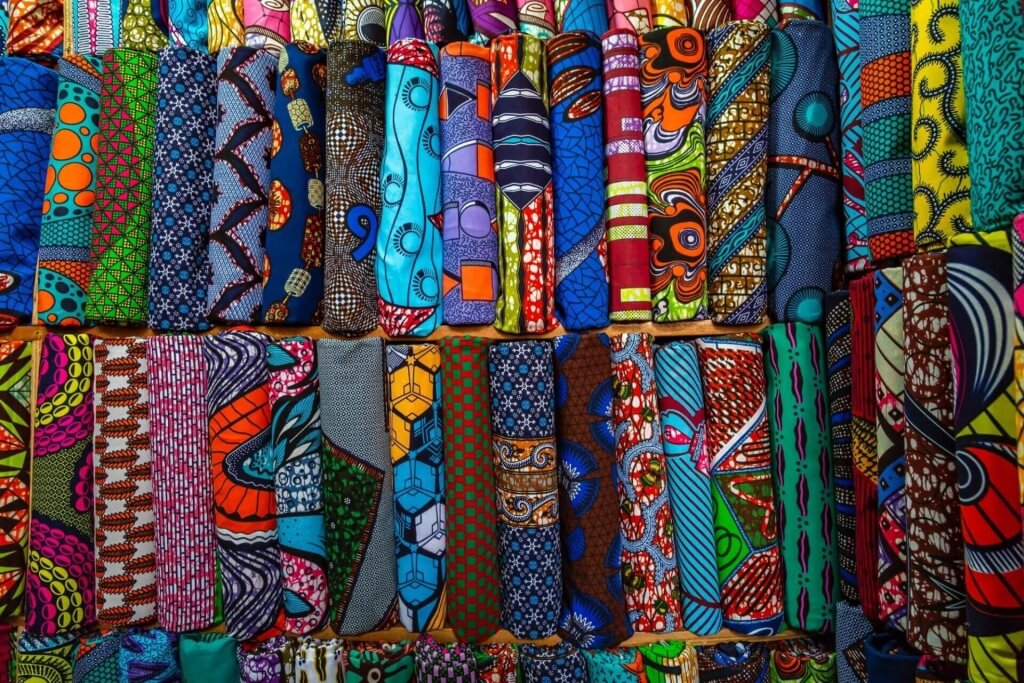
The Gullah language is an English-based creole with words and rhythms drawn from West and Central African languages. Its lyrical sound and expressive phrases reflect both resilience and creativity. Although fewer people speak it fluently today, community leaders and educators are working to preserve the language through songs, books, and storytelling.
Storytelling has always been a cornerstone of Gullah culture. Around the fire or under the stars, elders share folktales filled with wisdom, humor, and life lessons. Many of these stories feature clever trickster figures and show the enduring power of wit and spirit over hardship.
Sweetgrass Basket Weaving
If you drive along Highway 17 near Mount Pleasant or wander through Charleston City Market, you will spot coiled sweetgrass baskets displayed proudly by local artisans. This craft traces its origins to West Africa, where baskets were used for winnowing rice and carrying goods. Today, each basket is a work of living art, crafted by hand from sweetgrass, palmetto, pine needles, and love.
Spirituals, Music, and Rhythm
Music fills the heart of Gullah life. Spirituals and call-and-response hymns tell stories of hope, struggle, and faith. The traditional ring shout, a communal dance of rhythm and song, connects people to their ancestors and to one another. The same soulful rhythms that began in Gullah communities went on to inspire gospel, blues, and jazz across America.
Gullah Cuisine
Food is another way the Gullah people keep their history alive. Gullah cuisine is rooted in West African cooking, blended with the ingredients and flavors of the Southern coast. It celebrates fresh seafood, rice, okra, and greens with recipes passed down through generations.
Signature dishes include:
- Okra Gumbo: A hearty stew filled with seafood, spices, and fresh vegetables.
- Red Rice: A savory tomato-based rice dish connected to West African jollof rice.
- Shrimp and Grits: A coastal classic that began as a fisherman’s breakfast.
- Hoppin’ John: Black-eyed peas and rice simmered for good fortune in the year ahead.
You can sample these flavors throughout the region:
- Myrtle Beach and Georgetown: Brookgreen Gardens in Murrells Inlet regularly features Gullah Geechee cultural programs and seasonal events that celebrate traditional foodways, storytelling, and crafts.
- Charleston: Stop by Bertha’s Kitchen for authentic Lowcountry favorites such as okra soup and red rice, both deeply tied to Gullah Geechee cooking traditions.
- Beaufort and Hilton Head: Local spots such as Leroy’s and Old Bull Tavern serve Lowcountry-inspired dishes influenced by the region’s Gullah roots.
Every bite is more than a meal; it is a connection to the past and a celebration of the present.
Experiencing Gullah Culture Today
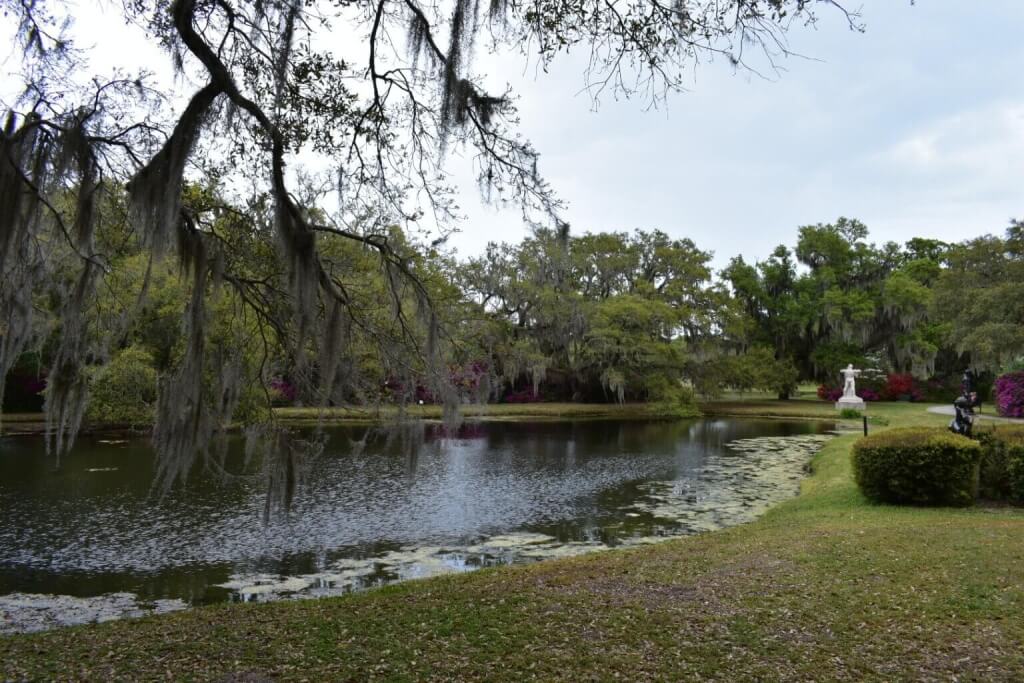
To truly appreciate Gullah heritage, step into the places where stories, songs, and art still thrive.
- Hilton Head Island: Take the Gullah Heritage Trail Tour, led by local descendants who share the history of their families and island traditions.
- Beaufort: Attend the Original Gullah Festival in May for food, crafts, and live music.
- St. Helena Island: Explore the Penn Center, one of the first schools for formerly enslaved people and now a historic site preserving Gullah history.
- Charleston and Mount Pleasant: Watch basket weavers at the Sweetgrass Cultural Arts Festival and learn how this art form continues to flourish.
- Myrtle Beach and Georgetown: Visit Brookgreen Gardens and the Gullah Museum of Georgetown for storytelling, art, and exhibits that bring this culture to life.
Local Tip: Check the Brookgreen Gardens event calendar for Gullah Geechee storytelling sessions and sweetgrass basket-weaving demonstrations held throughout the year. Experiencing these traditions beneath the oak trees is a peaceful and inspiring way to spend your day.
Preserving and Honoring Gullah Culture
The Gullah Geechee community faces serious challenges, including land loss, development pressures, rising property taxes, heirs’ property issues, and sea level threats that put cultural continuity at risk.
Organizations such as the Gullah Geechee Cultural Heritage Corridor Commission, Penn Center, and The Gullah Society all work to protect ancestral lands, preserve language and craft, and celebrate Gullah art and heritage.
You can make a difference by:
- Joining Gullah-led tours and festivals.
- Purchasing handmade baskets, crafts, or artwork from local artisans.
- Supporting Gullah-owned restaurants and cultural centers.
- Taking time to learn the history behind each experience.
Every thoughtful visit helps keep this culture alive for future generations.
To understand Lowcountry culture, you must experience Gullah culture. It is the living heartbeat of South Carolina’s coast, felt in every song, seen in every smile, and tasted in every dish.
On your next Myrtle Beach getaway, wander beyond the shoreline. Listen to the lilt of a Gullah storyteller, try a bowl of red rice, and admire a handwoven basket glistening in the afternoon sun. Here, history is not something you read about. It is something you feel.
For more local tips and travel ideas, visit MobileBrochure.com, your friendly guide to exploring the real South Carolina coast.
Content on this page is subject to change. Please contact the locations mentioned to see if promotions, hours, pricing, etc. are still valid.

About Andy Rowe
Andy Rowe is an experienced Writer and Content Designer with a passion for storytelling. He earned his Masters of Business Administration while living abroad in Taiwan and has spent the past 6 years honing his skills in copy writing, social media content, and thought leadership. Andy has a talent for research and the ability to adapt this writing style to different audiences. When he’s not writing, Andy enjoys traveling, Brazilian Jiu-jitsu and reading.
6 Responses to “Gullah Culture in the Lowcountry: Discovering the Living Legacy of the South Carolina Coast”
Leave a Reply
You must be logged in to post a comment.


I love visiting the museum in Fort Fisher and seeing the Gullah area. It’s have pictures and baskets all made by the Gullahladies. They are just getting so expensive. I’m glad I bout mine years ago
Wow! That’s so cool that you have a memorable keepsake of the Gullah culture to cherish!
I found your topic on “Gullah Geechee” quite interesting. I’ve been coming to the Myrtle Beach area for a number of years and had never heard of this before. Thank you for sharing this story with us.
It is something I’d like to see on my next trip.
You’re so welcome! Glad you found it interesting and it inspires you to check out something new on your visit to Myrtle beach!
Are there any geechee restaurants in Myrtle Beach?
Unfortunately there aren’t really any in Myrtle Beach, but definitely check out neighboring towns like Charleston, SC!